


Synthetic blends and wool-blend upholstery hold up longest on living room furniture, resisting stains, wrinkling, fading, and pilling far better than delicate natural fibers like silk or linen. Wool blended with synthetic fiber adds durability. Easy spot cleaning makes it a stronger choice than pure natural fabrics for households with children or pets.
What makes a fabric durable?
Durability is the most crucial characteristic to look for in upholstery fabric. A durable fabric withstands daily wear without showing premature signs of damage like fraying, pilling, or fading. Choosing durable upholstery fabric ensures furniture stays clean, comfortable, and attractive for years to come.
How does fabric construction affect durability?
Fabric construction determines how tightly fibers are woven or knitted together. A tighter weave creates a denser surface that resists snagging and abrasion. Living Room Furniture upholstered in tightly woven fabrics holds up better against daily friction from sitting, shifting, and pet claws. Loose weaves, by contrast, allow dirt to settle deep into the fibers and snag more easily over time.
Which fiber types last longest?
Synthetic fibers generally outperform natural fibers in durability tests. Here is a comparison of common upholstery fiber types:
|
Fiber Type |
Durability Rating |
Best Use Case |
|---|---|---|
|
Polyester |
High |
High-traffic family rooms |
|
Nylon |
Very High |
Homes with pets and children |
|
Olefin |
High |
Basements and sunrooms |
|
Cotton |
Moderate |
Low-traffic adult spaces |
|
Linen |
Low |
Formal, rarely used rooms |
|
Wool |
High |
Blended with synthetics for added strength |
Furniture is made to be lived on; it experiences constant pressure, movement, and occasional spills. A fabric that combines a tight weave with a durable fiber type, such as nylon or a wool-polyester blend, provides the longest service life. Customers who prioritize durability should look for fabrics with a high double-rub count, typically 15,000 or more for residential use.

Is leather more durable than fabric?
Leather offers higher durability than most fabric options for Living Room Furniture, but the comparison depends on specific household conditions. Leather is a natural material sourced from animal hides. Its dense fiber structure resists tearing and punctures better than many woven fabrics. A leather sofa can last 10-15 years with proper care. Fabric sofas typically need replacement after 5-10 years of daily use. However, leather requires specific maintenance to prevent cracking and fading over time.
What are the main durability differences between leather and fabric?
|
Factor |
Leather |
Fabric |
|---|---|---|
|
Tear resistance |
High-density hide resists punctures |
Moderate woven fibers can snag |
|
Stain resistance |
High-liquids bead on surface |
Low to moderate absorbs spills quickly |
|
Scratch visibility |
High-shows pet claws and sharp objects |
Low patterns and textures hide marks |
|
Longevity with pets |
8-12 years with scratching |
5-8 years with claw damage |
|
Sunlight resistance |
Low fades and cracks in direct sun |
Moderate UV-resistant options available |
Does the extra cost of leather justify its durability?
Leather options cost more and vary more than comparable fabric sofas, based on typical pricing for mid-range furniture. That premium buys a material that resists stains, wipes clean easily, and develops a patina over time rather than looking worn. For households without pets or young children, leather's longer lifespan offsets the higher upfront cost. Families with cats or dogs face a trade-off: leather resists liquid stains but shows claw scratches prominently. Fabric hides scratches but absorbs spills. The decision comes down to which damage type a household experiences more frequently, liquid accidents or surface abrasion.
Which natural fibers last longest?
Wool and cotton are the two natural fibers that hold up best under daily use on Living Room Furniture. Each has distinct trade-offs. Wool resists stains, wrinkling, fading, and pilling, making it the most durable natural option for high-traffic seating. Cotton withstands wear, fading, and pilling well but falls short on soiling and wrinkle resistance.
How does wool compare to cotton for sofa upholstery?
Wool outperforms cotton in stain and wrinkle resistance, a critical advantage for families and pet owners. A wool sofa maintains its appearance longer without the need for frequent steaming or pressing. Cotton, while strong against abrasion and color loss, absorbs spills more readily and shows creases after sitting. The gap narrows when manufacturers blend cotton with other fibers. These cotton blends increase durability and create a family-friendly fabric suitable for everyday use.
Is linen a practical choice for long-term use?
Linen is not a durable option for most households. This elegant material wrinkles easily and stains quickly, so it belongs only in low-traffic or adult-only areas. A linen sofa in a busy family room will require constant maintenance and likely show wear within the first year.
Can natural fibers be improved with blending?
Yes. Both wool and cotton gain significant durability when blended with synthetic fibers. Wool blended with polyester or nylon offers easier spot cleaning and greater abrasion resistance than pure wool alone. Cotton blended with polyester or linen creates a fabric that holds its shape better. Resists soiling longer than a notable share of cotton. These blends represent the smartest choice for customers who want natural-fiber aesthetics without sacrificing longevity.
|
Fiber |
Key Strengths |
Key Weaknesses |
Best Use Case |
|---|---|---|---|
|
Wool |
Resists stains, wrinkling, fading, pilling |
Higher cost, can feel warm |
High-traffic living rooms |
|
Cotton |
Withstands wear, fading, pilling |
Poor soiling and wrinkle resistance |
Blended with synthetics for family use |
|
Linen |
Elegant appearance |
Wrinkles and stains easily |
Adult-only, low-traffic spaces |
What about synthetic and blended fabrics?

Synthetic and blended fabrics offer a practical middle ground between natural fibers and performance materials. Blending natural fibers with synthetics improves durability. Ease of cleaning, making these combinations a smart choice for high-traffic living rooms. A cotton-polyester blend, for example, retains the soft feel of cotton while gaining wrinkle resistance and faster drying times. These fabrics resist fading and pilling better than pure natural fibers, extending the usable life of Living Room Furniture by several years.
How does wool perform when blended with synthetic fibers?
Wool blended with synthetic fiber offers more durability and easy spot cleaning. Pure wool resists stains and wrinkling naturally. Adding nylon or polyester makes the fabric tougher against abrasion and daily wear. A wool-nylon blend handles repeated sitting and shifting without developing shiny patches or thinning. Spot cleaning becomes simpler because the synthetic component reduces moisture absorption, allowing spills to sit on the surface longer before soaking in.
What are performance materials in living room sets?
Performance materials are engineered fabrics designed to withstand heavy use without sacrificing appearance. Detroit Furniture offers living room sets with fabric, leather, and performance material options, giving customers a clear durability upgrade path. These materials typically feature tight weaves and stain-resistant coatings that repel liquids and block dirt from penetrating fibers. A performance fabric sofa resists fading from sunlight. Holds its shape through years of daily use, making it a practical investment for families with children or pets.
|
Fabric Type |
Durability |
Cleaning Ease |
Best For |
|---|---|---|---|
|
Pure natural fiber (cotton, linen) |
Moderate |
Low – stains set quickly |
Low-traffic, adult-only rooms |
|
Wool-synthetic blend |
High |
High – spot clean easily |
Daily use, families |
|
Performance material |
Very high |
Very high – repel spills |
High-traffic, kids, pets |
Blended and performance fabrics eliminate the trade-off between comfort and longevity. Customers who choose these materials avoid the frustration of premature wear, sagging cushions, and permanent stains that plague pure natural fibers. The upfront investment in a blended or performance fabric pays back through years of reliable service without reupholstery costs.
How do I test fabric durability myself?
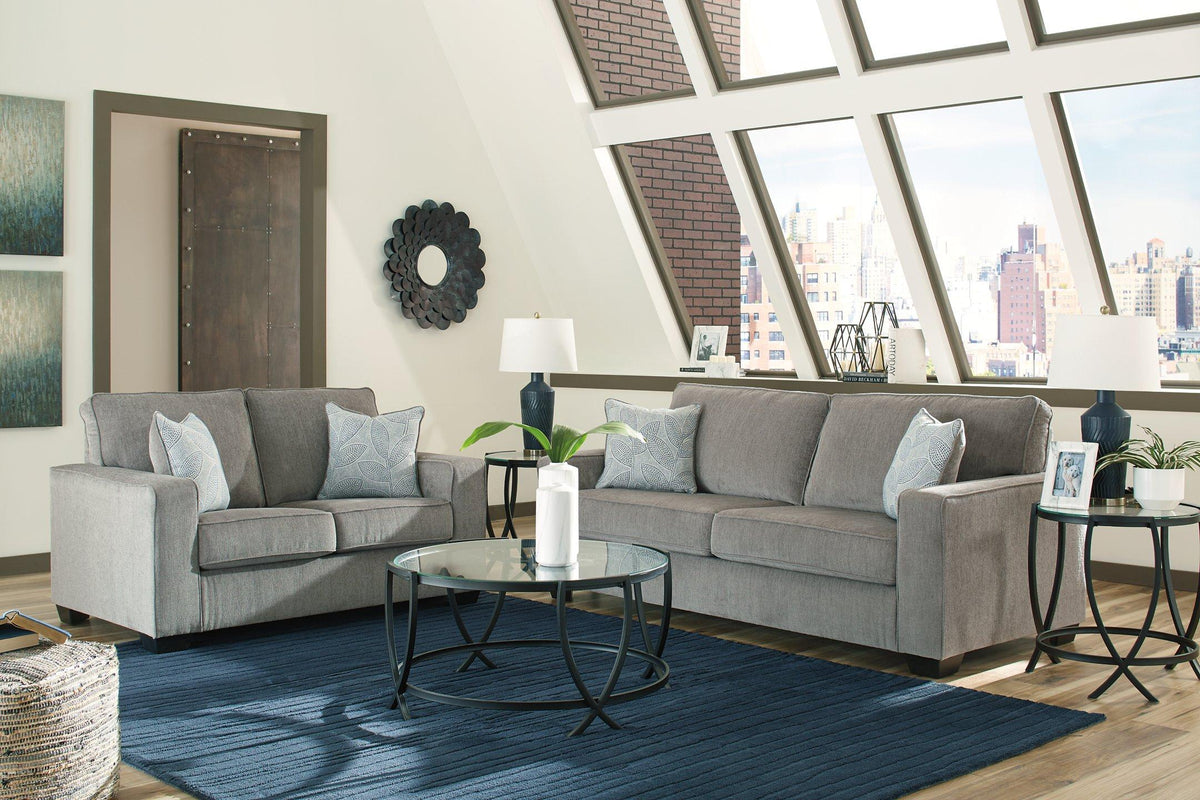
Testing fabric durability before purchasing Living Room Furniture prevents costly mistakes. Customers can evaluate material quality directly at the Detroit Furniture showroom in Dearborn. Living room sets are displayed in room-style settings for hands-on inspection. Product details and purchasing options are clearly presented for user convenience, making comparison straightforward.
What should customers look for during a showroom visit?
Shopping in-store allows customers to feel fabric texture and check stitching quality. Running a hand across the material reveals softness, thickness, and any pilling. Inspecting seams and cushion welting shows construction integrity; loose threads or uneven stitching indicate lower durability.
How can customers simulate real-world wear?
A simple rub test works well. Rubbing a fabric sample between thumb and forefinger for 10-15 seconds mimics friction from daily sitting. Any fuzzing or loose fibers appearing during this test suggests the material will pill within months. For pet owners, dragging a fingernail across the fabric tests snag resistance, a critical check for households with claws.
What specific tests reveal stain resistance?
Spilling a few drops of water on an inconspicuous area tests absorption speed. Water beading on the surface indicates a protective finish or tight weave. Water soaking in immediately means stains will set quickly. Customers can also ask showroom staff about performance fabric options designed for easy cleaning.
Why does the showroom environment matter for testing?
Room-style displays show how fabrics look under showroom lighting, which differs from home lighting. Viewing materials from multiple angles reveals sheen variations and pattern alignment. Sitting on displayed sofas for several minutes tests cushion support and fabric stretch, both indicators of long-term durability.
What fabrics work best with kids and pets?
Cotton twill with removable slipcovers and performance synthetic materials offer the best durability for households with children and pets. These fabrics withstand repeated cleaning without degrading, making them practical for daily use in active homes. A cotton twill slipcover, for example, can be washed many times without fading or shrinking, according to long-term user experience. Performance material options available in living room furniture collections provide additional stain resistance and wear protection for families.
How do slipcovered couches hold up with pets?
Slipcovered couches perform exceptionally well in homes with dogs and cats. One owner reported that a cotton twill slipcover survived daily life with two hairy dogs, a cat, and four people without issues. The covers come off easily for machine washing and go back on without shrinking, fading, or requiring ironing. This makes slipcovered sofas a practical choice for pet owners who need to remove dander, fur, and odors regularly.
What are performance fabrics for living room furniture?
Performance fabrics are synthetic or treated materials engineered to resist stains, moisture, and abrasion. Living room furniture sets from Detroit Furniture include performance material options alongside traditional fabric and leather choices. These materials create a barrier that prevents spills from absorbing into the upholstery fibers. For families with young children, performance fabrics reduce the stress of daily messes and extend the usable life of the furniture.
Key fabric features for kid- and pet-friendly homes:
-
Removable, machine-washable slipcovers that maintain shape after washing
-
Performance materials that resist stains and block moisture absorption
-
Tight-weave cotton twill that stands up to claws and repeated cleaning
-
Darker colors or patterns that hide fur and minor soiling between washes
How does fabric choice affect cost?
Fabric choice directly determines the final price of Living Room Furniture, with material type and construction quality creating a price range that can vary between options. Leather sofas typically cost significantly more than fabric equivalents, while synthetic blends offer a middle ground between budget and durability. The material selected affects not only the purchase price but also long-term maintenance expenses and replacement frequency.
Why does leather cost more than fabric?
Leather options for a comparable sofa can cost more; pricing varies more than fabric alternatives. This price difference reflects the raw material expense, tanning processes, and the limited yield per hide. Fabric sofas use woven textiles that manufacturers produce in continuous rolls, reducing material waste and labor costs during cutting and sewing.
How do living room sets reduce overall cost?
Buying a coordinated living room set is one of the most cost-effective ways to furnish a space. Customers receive a complete, cohesive look, matching sofas, loveseats, and accent pieces. For less than purchasing each item individually. Detroit Furniture leverages its strategic location. Expansive warehouse space to streamline the supply chain, enabling the showroom to offer high-quality furniture at competitive prices across both leather and fabric categories.
|
Material Type |
Typical Cost Impact |
Maintenance Cost |
|---|---|---|
|
Leather |
+pricing varies vs. fabric |
Low (wipes clean) |
|
Performance fabric |
Moderate premium |
Low (stain-resistant) |
|
Standard fabric |
Baseline price |
Moderate (requires cleaning) |
Where can I see durable fabrics in person?
Detroit Furniture's showroom in Dearborn displays complete living room sets in room-style settings, allowing customers to evaluate upholstery materials firsthand. Touching fabric samples and sitting on assembled furniture provides information no online photo can match. Without this tactile evaluation, shoppers risk selecting a material that looks right but feels wrong after daily use.
What types of living room sets are available to test?
Living room sets include matching sofas, loveseats, and accent pieces designed to work together for a coordinated look. These sets come in multiple style categories, from casual and contemporary to traditional and transitional. Customers can compare fabric, leather, and performance material options side by side in the same showroom visit. This direct comparison helps identify which material best withstands the specific wear patterns of a household.
Can customers purchase online after visiting the showroom?
Customers can shop in-store or online, with delivery and financing available. The showroom visit serves as a research step. Clients note which fabrics and styles work for their space, then complete the purchase through whichever channel is most convenient. Financing options available through the store make larger purchases more manageable for homeowners furnishing multiple rooms at once. The combination of in-person evaluation and flexible purchasing reduces the risk of choosing an upholstery material that fails to hold up over years of daily use.
Get Your Dream Living Room Furniture Today at Detroit Furniture Inc

Why dream about the perfect living room when you can walk into it? At Detroit Furniture Inc, we handpick every piece of living room furniture with one goal in mind: helping you create a space where memories are made. From contemporary statement pieces to timeless classics, our selection offers something for every taste and budget, without ever cutting corners on quality. Our most popular sofas and sets move fast, and with our commitment to value, they don't stay in stock for long.
Stop by Detroit Furniture Inc now, claim the furniture your home deserves, and turn your living room into the showstopper it's meant to be.