

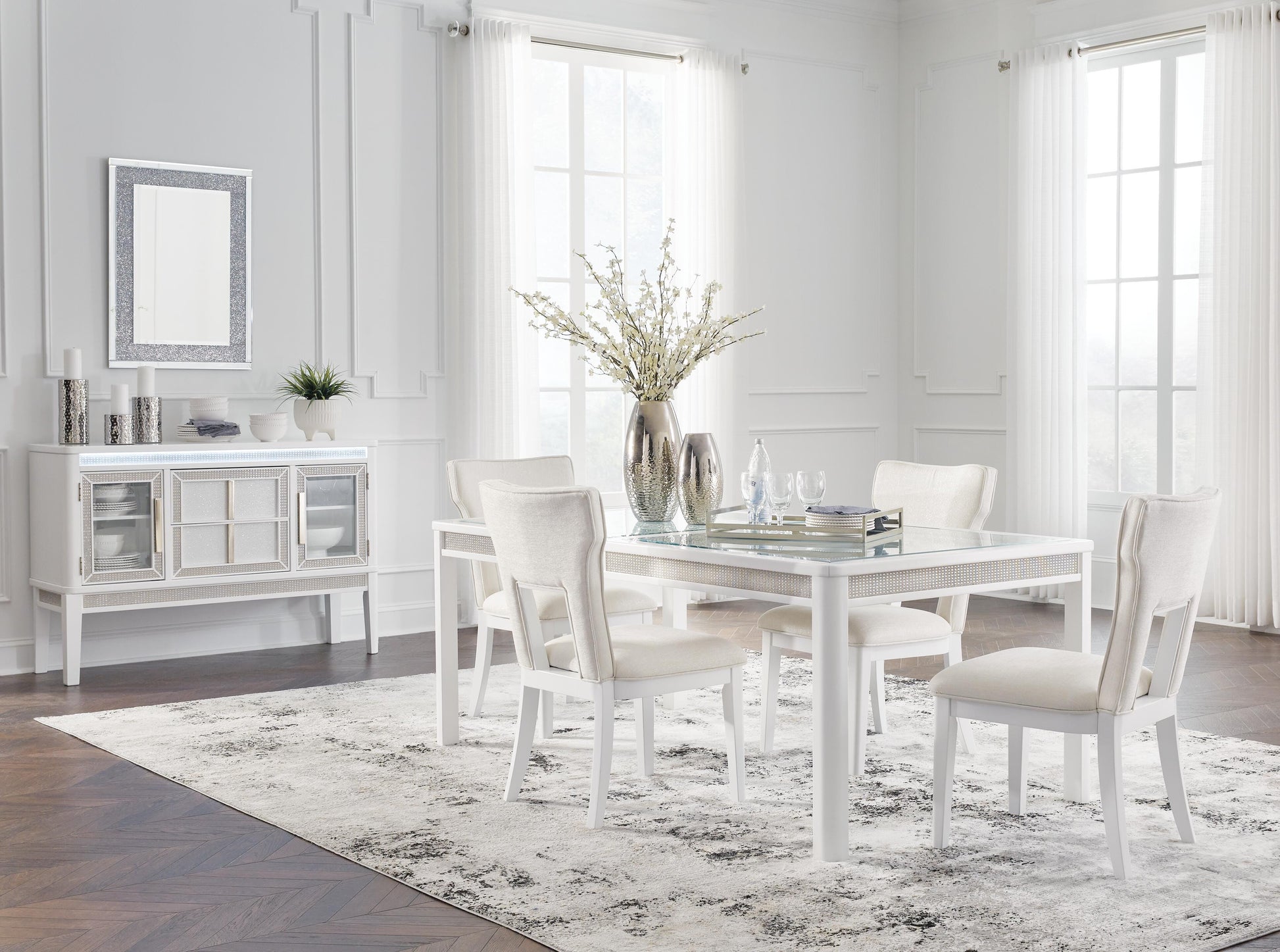
A multi-purpose room is any space that pulls double duty or more. Think open-plan living-dining combos, eat-in kitchens that moonlight as home offices, or studio apartments where one table handles everything from breakfast to budget spreadsheets.
Since 2020, more people have been rethinking how their rooms function. The dining area that once sat empty between meals now hosts Zoom calls at 9 AM, homework sessions at 4 PM, and board game nights on weekends. This shift has made selecting the right dining room furniture more strategic than ever.
This guide walks you through how to choose a dining table, chairs, and seating arrangement that can handle eating, working, studying, and hosting without making the whole room feel cramped. You will learn how to measure your space correctly, choose flexible table shapes, use extendable tables and drop leaf designs, and plan multiple “modes” for your room.
Step 1: Define How Your Multi-Purpose Room Works Day to Day
Function comes before aesthetics when one room needs to serve multiple purposes. Before browsing dining sets online, map out exactly what your space needs to do.
Start by listing every role the room plays:
-
Daily meals for 2–4 people
-
Laptop work or remote meetings
-
Kids’ homework and art projects
-
Occasional hosting for 6–10 guests
-
Game nights or puzzle sessions
-
Holiday gatherings a few times per year
Separate your daily uses from occasional uses. Research suggests that 70–80% of room activity typically falls into regular patterns like family dinners and laptop work. The remaining time covers special occasions and larger gatherings.
Dedicate your furniture footprint to the daily pattern, then layer in flexibility for bigger events. For example, a 12x15 foot living-dining room in a contemporary apartment might need seating for four most nights but expand to eight for birthdays. A 9x10-foot eat-in kitchen in an older home might prioritize a compact dining setup that doubles as a workspace.
This step anchors every decision about table size, shape, and seating capacity that follows.
Step 2: Measure the Space and Plan the Furniture Footprint
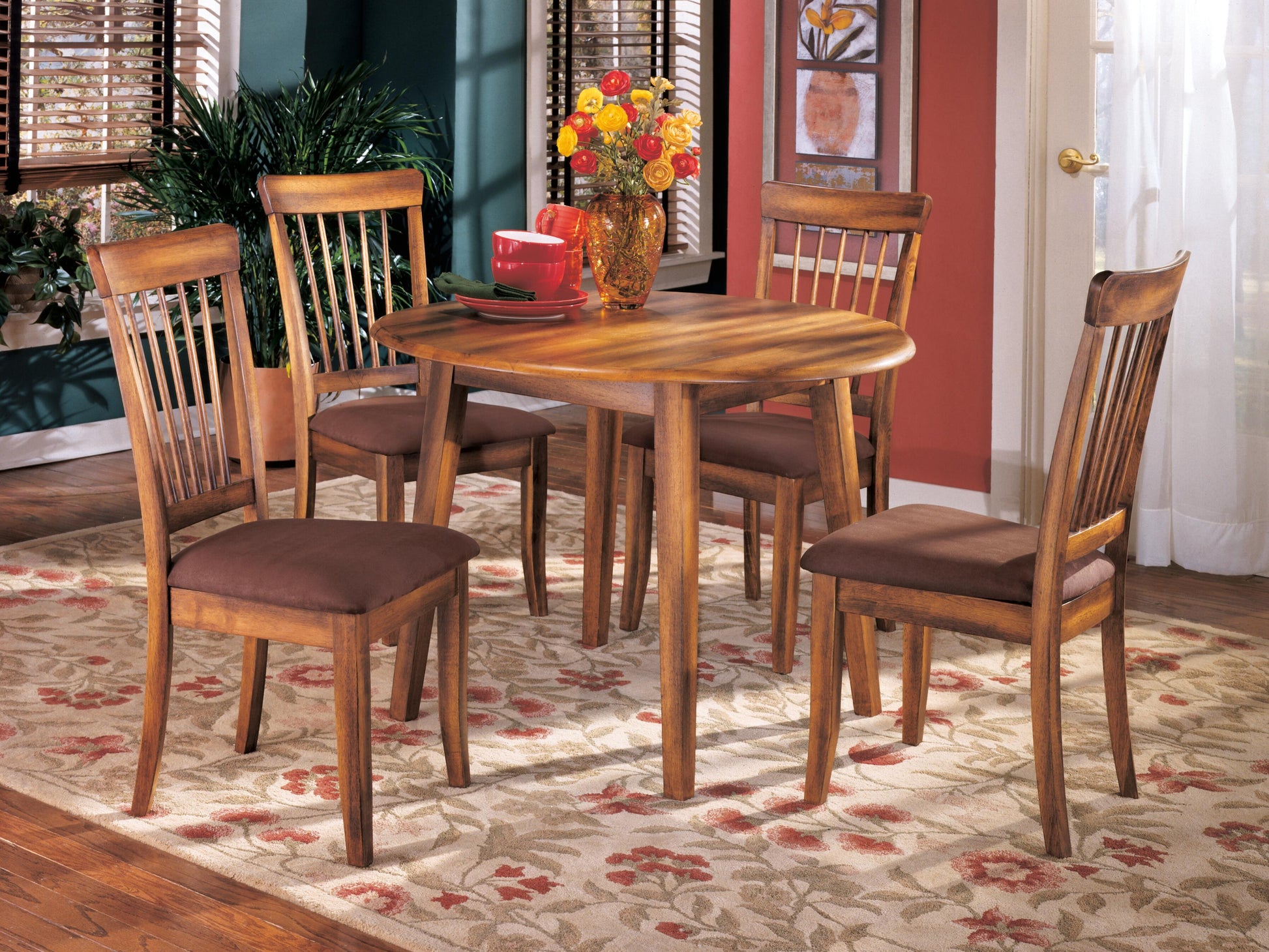
Accurate room dimensions prevent buying tables that dominate the floor space or leave you wishing you had gone bigger. Grab a tape measure before anything else.
Measure the full length and width of the room. Then note fixed elements that affect furniture placement:
-
Door swings and walkways between zones
-
Windows, radiators, and built-in shelving
-
Distance from kitchen counters or living area furniture
The key clearance rule: leave at least 36 inches from the table edge to walls or major furniture. Chair pull-back alone requires 24–30 inches per side. Without this buffer, the room feels cramped, and navigation becomes awkward.
Here is how this plays out practically:
-
A 48x30 inch table works in a 9x7 foot dining nook, leaving roughly 36 inches for movement
-
A 72x36 inch table fits a 10x13 foot combo room without blocking traffic to adjacent zones
Use painter’s tape or cardboard to outline your potential table and chairs on the floor. Simulate “dining mode” with imaginary place settings and “work mode” with a laptop footprint. This visualization reveals whether you can create a dining area that functions well across all uses before spending a dollar.
Step 3: Choose a Table Shape That Supports Multiple Uses
Table shape affects more than aesthetics. It determines traffic flow, seating flexibility, and how well the surface works as a desk or project table throughout the week.
Different shapes suit different layouts. Rectangular tables fit narrow rooms; round tables work in square-shaped rooms; square tables suit compact spaces; oval tables soften high-traffic areas. In a multi-purpose room, consider how the edges and sharp corners affect laptop placement, children’s projects, and spreading out paperwork.

Rectangular Tables: Workhorses for Long Rooms
Rectangular tables fit best in rooms roughly 10x12 feet or longer, especially when the dining area shares space with a sofa or storage wall against one wall.
They provide clear zones: laptops at one end, dining at the other. This makes them ideal for people who work and eat at the same table throughout the day. The straight edges push neatly against walls in small spaces when partial clearance is acceptable.
Size examples:
-
60x36 inches seats 4–6 for daily meals
-
72x36 inches handles large families and hosts up to 8 guests a few times per year
Pair rectangular tables with benches along the long sides in narrow spaces to keep circulation open. The corner legs can tuck against walls to maximize square footage.
Round Tables: Flexible Centers for Square or Open Rooms
Round tables thrive in square rooms around 9x9 feet or open-plan corners that serve as visual centers for the whole room.
The absence of sharp corners makes them safer for multi-use scenarios with kids running through, and easier to squeeze in an extra chair during game nights. Pedestal bases maximize legroom and allow chairs to slide around freely during both daily meals and meetings.
Sizing guide:
-
42–48 inch diameter for 4 daily diners
-
54–60 inch diameter to flex to 6–8 for special occasions
A round table can act as a central hub for homework, puzzles, and shared laptops throughout the week without feeling cramped.
Square Tables: Compact Solutions for Corners and Studios
A square table works best in small dining room setups, studio apartments, or tight corners where 2–4 people eat most nights.
Examples:
-
A 36x36 inch table for couples
-
A 40x40 inch table for a family of 3–4, using it for both dinner and remote work
Look for square tables with convertible leaves that transform them into rectangles when extra guests arrive. They tuck neatly into corners when the room needs to open up for yoga or play space, helping save space during non-dining hours.
Avoid pushing a square table too tightly against walls if it blocks circulation or makes switching modes difficult.
Oval Tables: Softer Edges in High-Traffic Rooms
Oval tables blend rectangular seating capacity with round-table traffic flow. They work well in rooms where walkways cut close to the table.
Example: a 72-inch oval seating 6–8 in a 10x14 foot open-plan room with a main passageway along one side.
The curved ends reduce bumping into corners when moving between the kitchen, sofa, and entry. Oval tables visually compress their footprint while still offering a long surface for laptops, crafts, and serving platters.
Recommend these for multi-purpose rooms where kids often run through, or where the table sits close to a TV and seating arrangement.
Step 4: Size Your Table for Everyday Life (and Occasionally More)
The sizing rule of thumb: aim for 22–24 inches of table edge per person, plus adequate clearance around the table. This ensures comfortable elbow room during daily meals without feeling cramped.
In multi-purpose rooms, size the table for daily diners rather than permanently staging for the largest holiday gathering. The perfect table fits your everyday routine while offering expansion options.
Concrete seating and size pairings:
|
Table Size |
Shape |
Daily Capacity |
Extended Capacity |
|---|---|---|---|
|
48 inches |
Round |
4 |
4–5 |
|
60 inches |
Rectangular |
4–6 |
6 |
|
72 inches |
Rectangular/Oval |
6–8 |
8–10 |
Consider seat depth and chair type. Armless individual chairs (under 22 inches wide) allow more people along each side compared to bulkier armchairs. In a small dining room where the table might need to slide or pivot for workouts or laundry folding, slightly smaller tables (10–15% below maximum capacity) prevent the furniture from feeling permanent.
Step 5: Pick Multi-Use Table Designs and Space-Saving Features
Multi-purpose rooms benefit from multifunctional furniture with adaptable designs. Extendable tables, drop leaf tables, gateleg options, and counter height tables all enable fast transitions between work mode, family dinner mode, and party mode.
The goal is space-saving dining solutions that transform without dragging heavy furniture across the room. Common mechanisms include center leaves, butterfly leaves stored inside the table, end leaves, and side drop leaves that fold down.

Extendable Dining Tables with Leaves
Extendable tables are ideal for rooms hosting 2–4 people most of the week but needing to seat 6–10 for birthdays or holiday gatherings.
Examples:
-
A 60-inch table extending to 84 inches with one leaf
-
A 72-inch table expanding to 96 inches with two leaves
Look for mechanisms that one person can operate smoothly, especially when the table does double duty as a daily workstation. Built-in leaf storage prevents losing or damaging leaves between uses. These designs work especially well in open-plan layouts where there is table space to expand into adjacent living areas.
Drop-Leaf and Gateleg Tables for Ultra-Flexible Layouts
Drop leaf designs fold down to a slim console (around 16–20 inches deep) along a wall, then open up to seat 2–4 or more. Gateleg tables transform from a narrow profile behind a sofa into a full dining surface for 4–6 when leaves are raised.
Real-world scenarios:
-
A city kitchen where the table serves as extra counter space by day and dining space at night
-
A home office that converts to breakfast nooks on weekends
-
Studio apartments where permanent large tables are impractical
Test stability when all leaves are up, especially if the table also handles laptop work or children’s crafts. Folding tables and these convertible options excel in limited space, where every inch matters.
Counter-Height and Multi-Use Tables That Double as Islands or Desks
Counter height tables (around 36 inches high) serve simultaneously as prep surfaces, dining tables, and workstations. They create a kitchen island feel in combined kitchen-dining rooms.
Example setup:
-
A 54x36 inch counter-height table with shelves for cookbooks and storage bins
-
Wipe clean surfaces that withstand chopping boards, laptops, and paint projects
-
Nearby power strip or outlets for home office functionality
Backless stools tuck fully under the top to free up floor space when the room shifts to living or play mode. The elevated height makes compact spaces feel taller and more open.
Step 6: Choose Seating That Expands and Tucks Away
Seating in multi-purpose rooms should support fast transitions. You need enough comfort for long meals and work sessions, yet chairs that move or store easily when the room changes modes.
Balance permanent dining chairs that live at the table against backup seating, folding chairs, stackable options, and stools, brought out when guests arrive. For tighter spaces, keep chair widths under 22 inches, especially at rectangular tables that occasionally need to seat three per side.

Everyday Dining Chairs: Slim, Comfortable, and Tuck-Friendly
The right chairs balance comfort with practicality. Armless chairs with slim profiles slide easily under the table and do not overwhelm small spaces visually.
Key specifications:
-
Seat heights of 18–20 inches pair with tables that are 28–30 inches tall
-
Widths under 22 inches for narrow spaces
-
Wipeable, durable fabrics for chairs doubling as office or craft seats
Lighter colors and open backs help chairs disappear visually in living-dining combos. Upholstered chairs add comfort for extended sitting, but choose stain-resistant materials for families with kids or pets. All everyday chairs should tuck neatly under the table when the room needs to open up.
Benches and Built-In Seating: Hidden Capacity for Guests
Benches seat 2–3 people in the footprint of two individual chairs, making them ideal for kids or casual gatherings around rectangular tables.
Size examples:
-
A 60–72-inch bench tucks fully under a 72-inch table when not in use
-
Storage benches with lift-up tops or drawers provide hidden storage for table linens, board games, laptop bags, and chargers
Built-in banquettes hugging walls in tight rooms create a dining nook that doubles as a reading or working space. Match bench height and cushion thickness to your table height to maintain a comfortable eating and typing posture. These solutions help you create a dining setup that serves multiple purposes throughout the day.
Backup Seating: Stools, Folding, and Stackable Chairs
Keep 2–4 extra stools or folding chairs nearby for larger gatherings without permanently crowding the room.
Backup seating strategies:
-
Backless stools can act as side tables, plant stands, or footrests when not needed at the table
-
Stackable chairs live in closets, behind curtains, or against a wall until extra guests arrive
-
Lightweight options work well in multi-purpose rooms where furniture shifts between configurations
Choose seating carefully, test seat heights and comfort so backup options remain usable for a full meal or 2–3 hour game night. Extra chairs should feel like a feature, not an afterthought. Extra seating expands your seating capacity without adding visual clutter.
Step 7: Materials, Finishes, and Styles That Work Overtime
Multi-purpose rooms demand surfaces and fabrics that handle food, laptops, children’s projects, and daily wear. Durability matters more than delicate aesthetics here.
Prioritize these characteristics:
-
Table surfaces: Mid-tone woods, ceramic tops, or laminate finishes resist scratches from frequent rearranging and mixed-use demands
-
Chair upholstery: Stain-resistant fabrics or removable, washable seat covers for families with kids or pets
-
Frame materials: Metal or solid wood frames withstand daily repositioning
Visually light designs, slim legs, glass elements, and pale tones help the room feel open even when extra chairs or leaves appear. This matters in compact spaces where furniture can quickly dominate.
Choose a consistent style or color palette so the room looks cohesive, whether set up for dining, working, or relaxing. Your personal style still matters, but it should complement function rather than fight it. The goal is a space that feels welcoming across all modes without needing walls to separate activities.
Step 8: Plan the Room’s “Modes” and Layout Changes
Plan 2–3 clear modes for your space: everyday mode, extended dining mode, and work or project mode. Thinking through these transitions prevents furniture from feeling like a burden.
Mode planning checklist:
-
Everyday mode: Table centered for daily meals and laptop work, chairs tucked in, minimal footprint
-
Extended mode: Leaves inserted, extra chairs pulled from storage, traffic paths still functional
-
Project mode: Table cleared for crafts, games, or homework with supplies accessible
Map traffic paths carefully. When leaves are in or extra chairs appear, doors should still open, and people should reach the kitchen and living area easily. Test a full mode change once: time how long it takes to convert from a work-from-home setup to a full dinner table. Aim for 5–10 minute transitions.
Assign homes for extra chairs, stools, and table leaves, a nearby closet, under a storage bench, and behind a curtain. This speeds up transitions and prevents items from cluttering the room between uses.
The best multi-purpose dining furniture feels easy to reconfigure, not like a heavy chore.
Conclusion: Build a Dining Setup That Adapts to Your Life
Selecting dining furniture for multi-purpose rooms comes down to a clear process: define how the room gets used, measure carefully, choose a suitable table shape and table size, add extendable or convertible features, and layer in flexible seating.
Remember the key rules: around 24 inches of table edge per person for comfort, and 36 inches of clearance around the table where possible. These guidelines prevent feeling cramped while maintaining flow for daily life.
Think about how your needs might evolve over the next 3–5 years. More remote work, a growing family, or increased hosting all demand furniture that can adapt. Even narrow spaces and small spaces can feel organized, comfortable, and beautiful with the right choices.
Before shopping, sketch your room and list must-have furniture pieces. Use this guide as your checklist. The perfect dining room furniture makes every activity, from daily meals to holiday gatherings, feel natural and effortless in the same space.
Buy Dining Room Furniture at Detroit Furniture Inc Today

Elevate your home with dining room furniture at Detroit Furniture Inc today and create a welcoming space for meals, conversations, and gatherings with family and friends. Whether you’re updating your current setup or starting fresh, the right dining table, chairs, and storage pieces make every mealtime more enjoyable and stylish. With options designed to match a variety of tastes and spaces, Detroit Furniture Inc helps you bring comfort and function to the heart of your home.
Now is the perfect time to refresh your dining area. Buy dining room furniture at Detroit Furniture Inc now and create a space where everyday meals and special occasions alike feel warm, inviting, and complete.